✦
COMMUNITY
Social Hierarchy
Class Hierarchy within Ichgor
The Ichgor have a well-defined social hierarchy that is deeply ingrained in their community life. After their world and species nearly faced extinction thousands of years ago, the Ichgor became reliant on one another to rebuild their community. During their efforts to rebuild their community from scratch, many Ichgor undergo physical changes and differences resulting from the original plague of Xellarous. Some of them have longer lifespans, and some are physically stronger and capable, which enables them to create a history that transforms their identity as Ichgor. These changes have unintentionally created a power imbalance that led to the creation of a social and class hierarchy that is now considered essential for the growth and success of their society in present times.
✪ Elden
★ Celestial
☆ Sentinel
✦ Behemoth
✧ Alpha
The Ichgor subclasses are not solely about appearance; they also reflect social standing based on the class into which individuals are born. The Ichgor are divided into different social groups that enforce various roles, creating specific expectations and stereotypes that come with both benefits and disadvantages. While it may seem unfair, the Celestial class is always considered higher than the Alpha class, typically holding significant power but enjoying minimal freedom. In contrast, Alphas have substantial freedom in their lives but little power within the social hierarchy.Each class relies on others for specific tasks, and they share the belief that everyone plays an essential role in keeping this post-apocalyptic life afloat. As a species that knows when to pick a fight, the Ichgor often find it unnecessary to challenge the status quo or long-held traditions. Many share this understanding and embrace it to maintain peace and ensure their species' survival. However, exceptions exist in certain populated areas, such as the Vher’myrak territory, where small groups may challenge social norms and expectations, as in the real world.
Old World and New World
| ERA | ICHGOR CLASS |
|---|---|
| OLD WORLD | Celestial & Sentinel |
| NEW WORLD | Behemoth & Alpha |
Celestials and Sentinels are regarded as higher in the social hierarchy, as they are considered the closest subclass in relation to their Wyvern ancestors and Elden Class. They are what society calls OLD WORLD Ichgor. This makes Ichgor classes such as Behemoth and Alpha sit at the lower end, furthest away from their ancient ancestry, which leads to them being addressed as NEW WORLD.In terms of spirituality and religious standing, Old Worlds have a stronger bond to this elemental energy, yet scientifically, their bodies and genetics are quite fragile and weak. However, Behemoths and Alphas, while less spiritually connected to the energy, have evolved past many genetic weaknesses, making them more resilient and stronger in that regard.Celestials and Sentinels have a direct lineage to the ancient, extinct Elden class, which offers them significant elemental abilities and allows them to perform remarkable feats. As a long-lived class, Celestials and Sentinels serve as leaders, educators, historians, and strategists. However, as their numbers decrease, society presses them to procreate in hopes of preserving their lineage, a demand that often strains their bodies and may lead to premature death. They are usually involved in political groups. Ichgor recognises the great sacrifices Celestials and Sentinels often make, and holds them in high regard.Alphas and Behemoths, however, have numbers in strength. While they live only about half as long as Celestials and Sentinels, they learn quickly and can easily fill the roles the Old Worlds lack. Many of them form the world's structure, taking on tasks and roles that keep the fire going. Their freedom of work and goal choices are substantial, making them flexible in life, whether they are protectors, craftsmen, entertainers, cultivators and more. Despite lacking higher power within the political group, their roles are also essential to the Ichgor species.
Birthright and Honorary Titles
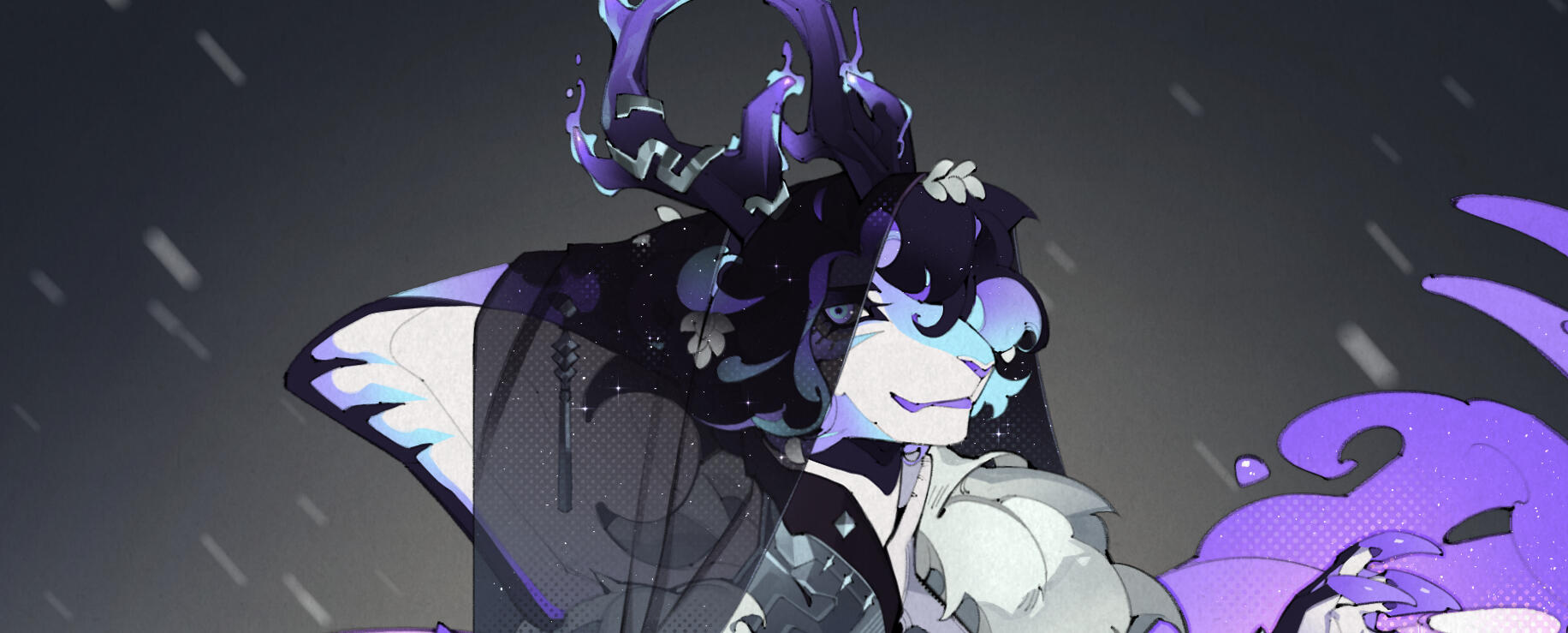
Addressing Ichgor by their proper titles and honorifics is a matter of respect and politeness. It acknowledges their accomplishments, status, and roles in society. In formal settings, as well as during public interactions or first encounters, employing appropriate titles and honorifics demonstrates courtesy and professionalism.When an Ichgor is exiled or born into exile, they strip the individual of their birthright and honorary titles, regardless of their past accomplishments. This act is intended to shame the Ichgor for their wrongdoings. The avoidance of special titles continues to be practised even in the Vher'myrak territory where most surviving Exiles now resides.
Elden:
Heyx'
―――――――――
RESERVED FOR:
Elden ClassThe title of " Heyx' " is no longer used by any current Ichgor. It describes the Elden-class Ichgor from history and will only appear in history books and aged journals.EXAMPLES OF USE:
(???)
Monarch:
Eil'
―――――――――
RESERVED FOR:
Monarch of an EmpireThe title of " Eil' " is held by the monarchs of an empire, specifically by members of the celestial class who rule over the subspecies empire:- Azvirahn, Evo’si, Valhakrys.EXAMPLES OF USE:
Eil’Theorasu, Eil’Jhentura, Eil’Shirios
Royal Descent:
Sra'
―――――――――
RESERVED FOR:
Primary Lineage connected to the Monarch.The title of " Sra' " is held by Celestials who are of the Royal Descent. These individuals are the direct offspring of a monarch and have the rightful succession to the throne. It is a symbol of nobility and respect, passed down through generations.EXAMPLES OF USE:
Sra'Amnis, Sra’ Zyrosis
Blood Royal:
Shya'
―――――――――
RESERVED FOR:
Secondary Lineage connected to the Monarch.The title of " Shya' " is held by Celestials who are Blood Royal. Although royal blood surges within them, their lineage does not grant them succession rights or ruling authority; instead, they are granted nobility with considerable wealth and property.EXAMPLES OF USE:
TBN
High Consort:
Sehr'
―――――――――
RESERVED FOR:
High Consort of the Royalty's ConcubineThe title of " Sehr' " is held by Celestials who are or were high consorts to the royalty's concubine. They are considered the Eil's or Sra's legally wedded partners, joined through romance, political alliance, or longstanding familial strategyEXAMPLES OF USE:
Sehr'Gescha, Sehr'Lycoriata
Celestial:
Aer'
―――――――――
RESERVED FOR:
Celestial ClassThe title of " Aer' " is held by all celestials, and it's their birthright. This means that anyone born as a celestial is automatically entitled to the title, regardless of their achievements or actions.EXAMPLES OF USE:
Aer'Gesha, Aer'Lycoriata, Aer'Lushari
Religious Figure:
Vheva' / Vhera'
―――――――――
RESERVED FOR:
High Priest and Priestess◆ Vheva' - Sentinel
◆ Vhera' - Alpha/BehemothThe titles of " Vheva' " and " Vhera' " are held exclusively by high priests who have made a lifelong commitment to the priesthood and sworn celibacy as part of their religious devotion.EXAMPLES OF USE:
Vheva'Zemlova, Vhera'Uzairi
Noble:
Vai'
―――――――――
RESERVED FOR:
NobilityThe title of " Vai' " is held by those who possess great wealth, land, business or have gained their status in high society due to their financial and economic success.EXAMPLES OF USE:
Vai'Farisyah , Vai'Lazura
Champion:
Thae'
―――――――――
RESERVED FOR:
Knights and Honorable WarriorsThe title of " Thae' " is held by anyone within the military who has delivered significant honourable service and exceptional deeds. Once given, this status will remain even after becoming a veteran. Only a Sra' Celestial can bestow this title, and it serves as a mark of respect and recognition. The Ichgor who receives this role will also swear celibacy for the rest of their life in pursuit of their duty as knights of the territoryEXAMPLES OF USE:
Thae'Olympia
Plaguehunter:
Ta'
―――――――――
RESERVED FOR:
Official PlaguehuntersThe title of " Ta' " is exclusively held by official Plaguehunters and can only be obtained through Ummi'Rori after undergoing extensive training and education. This title signifies that the Ichgor is a professional in plague hunting and is authorised to handle related situations. There is no alternative way to acquire this title.EXAMPLES OF USE:
Ta'Aerazhai, Ta'Rakhai, Ta'Nymora
Honorary:
'
―――――――――
RESERVED FOR:
Honorable IndividualsThe title of " ‘ ” is awarded to individuals who have performed an honourable act, made a significant and beneficial discovery, or achieved noteworthy accomplishments. This title can only be bestowed by a Sra'/Shya’ Celestial and serves as a mark of respect and recognition.EXAMPLES OF USE:
Aris'haeta
Birthright and Honorary Titles
While the Exiles technically do not use any form of honorary titles. In rare circumstances, titles calrify an Ichgor's position, such as "teacher" or "doctor"
Councillor:
Councillor
―――――――――
RESERVED FOR:
Councillors of the Vher'myrak TerritoryThe title of "Councillor" is held exclusively by official Vher'myrak Councillors, whose position is meant to help address the territory's needs and political debates. They are important individuals who are tasked with overseeing and managing problems.EXAMPLES OF USE:
Councillor Callahan, Councillor Yona, Councillor Mainaaka
Forsaken:
Xeno'
―――――――――
RESERVED FOR:
Leaders of the Vher'myrak TerritoryThis title is for those who served the prior Aeozhai’rin monarchy. This title is meant to insult those who survived it. The only known survivors are Xynozious and Shuzumi, who use it with pride. When the Vhermy’rak (The Metal Devil) Territory was established, they chose it as the title for the nation's leader.The origin of this title’s name is from “Xyno”EXAMPLES OF USE:
Xeno'Xynozious, Xeno'Shuzumi
Social Behavior
SOCIAL ADVANTAGES AND DISADVANTAGES, STEREOTYPES AND EXPECTATIONS.
When acquiring an Ichgor, understanding the social norms of each class can be helpful. Here's a brief list of positives and negatives your Ichgor may encounter in their social lives.NOTE: These are considered social STEREOTYPES for each class, and like stereotypes, not all of these are always true nor happen in every Ichgor’s life due to social differences, changes and circles. When referring to these, consider them suggestions to enhance your Ichgor’s stories, rather than things that MUST happen.
ALPHA
POSITIVES:
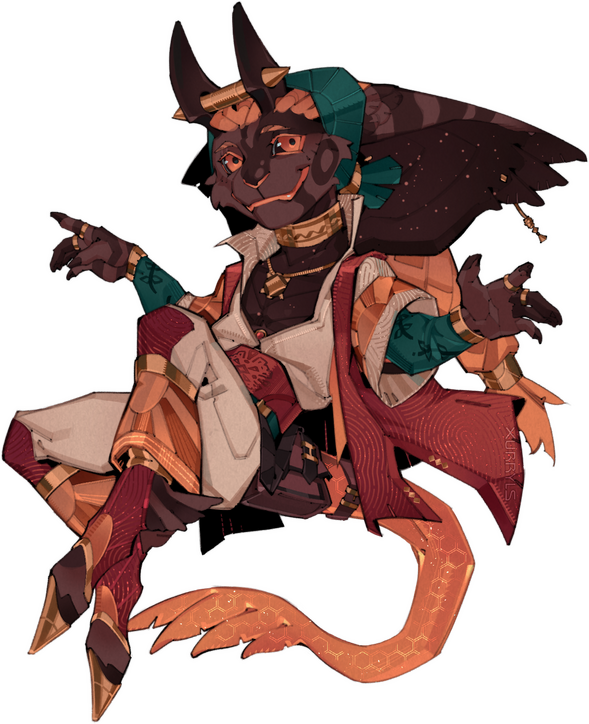
Alpha has the freedom of choice that gives them better opportunities for a variety of jobs and lifestyles. They are not constrained by strict societal norms and expectations, allowing them to take risks and explore new possibilities.
Since the majority of the population is Alpha, most daily objects, clothes and architectural elements are often adapted to them.
As they face less harsh social expectations, Alphas have a better time making healthier social relationships and have an easier time maintaining good relationships both within themselves and potentially with other subspecies.
NEGATIVES:
They often face marginalization and oppression, complicating their pursuit of nobility titles. Their shorter lifespan makes it difficult for longer-lived classes to take their experiences seriously.
Since they often need to work extra hard to establish themselves and make their voices heard, Alpha often find themselves pushed to the limit in their daily lives, making them feel less important, which can affect their mental health.
Despite having the largest population, Alpha’s lives are often seen as smaller and sometimes less important by the upper classes, which results in their medical needs being less prioritised.
BEHEMOTH
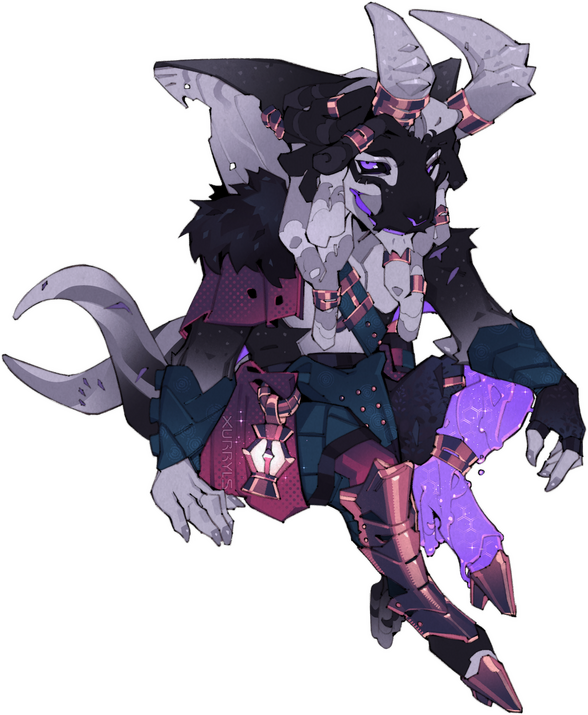
POSITIVES:
They are known for their protective nature and often work in protection units, which makes their presence more comforting and safe.
Their natural physical abilities have provided them with a wider range of job opportunities that offer better pay and allow them to easily earn minor leadership roles.
Behemoths are extremely skilled in adaptation and are known for the strong bonds they form with others, which makes them great companions and teammates. Their intelligence and creativity shine through as they tackle problems and adapt to new situations.
NEGATIVES:
They tend to appear brutish and hostile in confrontational situations, which can often result in them being the focus of the conflict, even if they are not fully to blame.
Behemoths are expected to risk their lives to defend their nations, fight in wars, and sacrifice their own well-being for the greater good.
They are expected to be strong and show no vulnerability or weakness, both physically and emotionally. This burden of expectation undermines their mental health.
SENTINEL
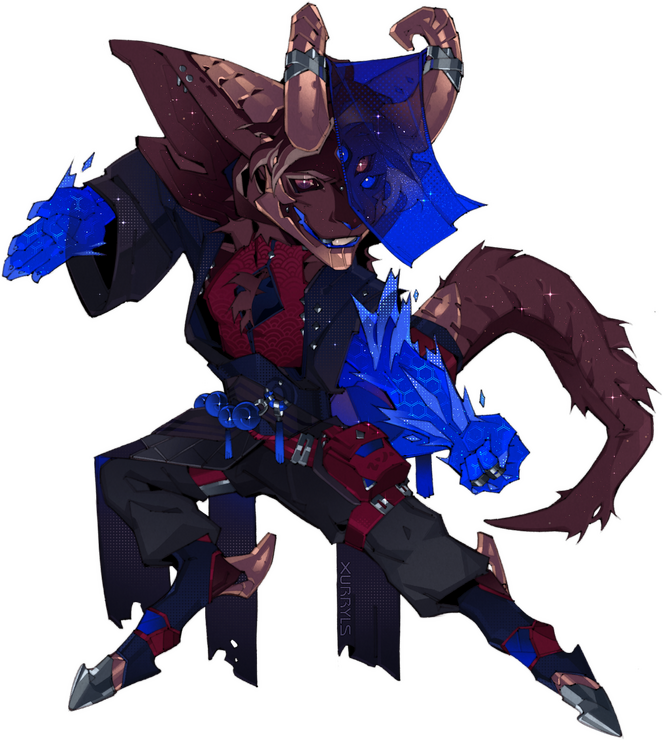
POSITIVES:
Sentinels are easily forgiven for social mishaps due to their religious connotations. The general public tends to view Sentinels with respect and reverence, and it is more likely for people to overlook minor mistakes made by them.
Due to their community-oriented nature, given that they’re often known to work alongside Celestials, it gives them a higher level of political influence, which earns them social credit and makes them more respected among the people.
A variety of educational opportunities are readily available to Sentinels, as private universities are eager to enrol them. Consequently, they have an easier time obtaining scholarships and have greater flexibility in their learning.
NEGATIVES:
Sentinels are born with an impressive height, making them taller than everyone else, even if they are genetically shorter than their counterparts. As a result, many individuals may find their height intimidating and may be cautious when interacting with or walking around them.
Their size can sometimes be their biggest issue, making clothes more expensive, living spaces too small to live in and surrounding structures too compact to manoeuvre around.
Religious professions are often imposed upon Sentinels by their families, due to the prestigious status that may be inherited.
CELESTIAL
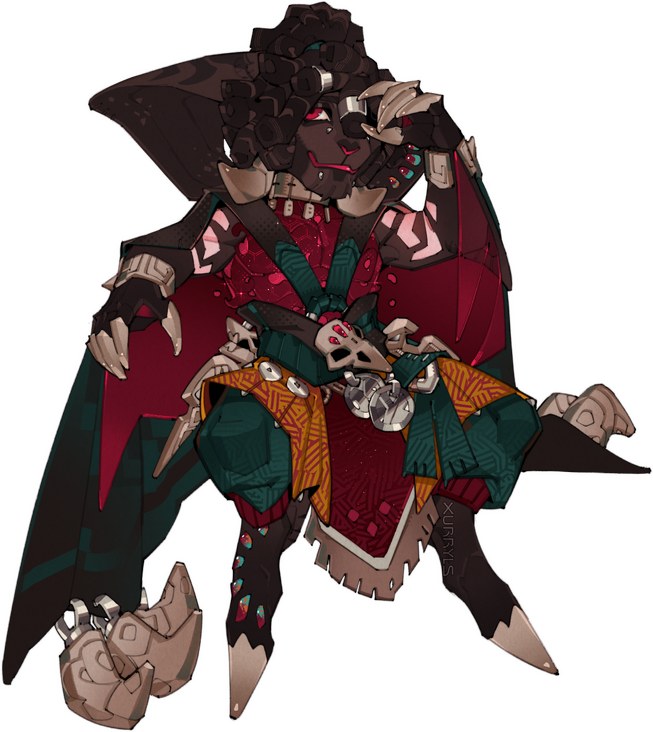
POSITIVES:
They lead a simple life with easy access to healthcare and goods. Their status ensures approval from others, resulting in a privileged upbringing, free from hunger and unmet needs.
They effortlessly secure leadership positions within their nation and have a high standing amongst their people. They achieve their goals more easily due to their influential and powerful roles.
Respect from other classes often comes naturally and easily for Celestials, as their opinions and speeches play a crucial role in shaping their nation. Their status is highly esteemed, and their children are cherished by the people, which helps them grow up with confidence.
NEGATIVES:
Celestials are expected to be flawless role models, which overshadows their personal struggles and makes it hard for them to connect with other subspecies.
As the Celestial class is the smallest among all groups, they are expected to continue the Celestial bloodline by having children. This also tends to place a huge amount of pressure on the egg bearer.
They're expected to be intellectually sharp and capable of thinking creatively. However, this expectation leaves them with little room to be true to themselves, as they bear the weight and duties of leadership, guidance and decision-making.
Relationships and Intimacy
Ichgor are generally monogamous, with relationships usually lasting a lifetime. When an Ichgor loses their partner, either through relationship issues or death, many often choose not to seek a new one. This is because Ichgor, as a species, bonds for life and values lifelong commitments. While rare, polyamory is not unheard of in their community. In particular, it’s common in royal circles, where the practice of having multiple concubines is widely accepted.Beyond polyamory, intimacy outside of a committed relationship is not considered unusual and is reasonably normal to indulge in such experiences. The Ichgor society features a diverse range of courtesan houses and brothels operating discreetly within its territories. The frequency and availability of these institutions increase the closer one is to the main capital, richer towns and occasionally well-known villages.Additionally, Ichgor are highly aware of sexually transmitted diseases and the serious risks they pose, which not only could jeopardise and ruin their anatomy, health and life but also others involved. Pleasure houses take precautions to prevent their spread, discouraging interactions between old-world and new-world classes as part of these measures. In the extremely rare case they are visited by other subspecies who came for a political consultation with the head Celestials, performance that includes sexual contact is always forbidden. If a slip-up or careless act happens during those visits, the business could be shut down, and the Ichgor responsible will be heavily punished.
Ichgor who practice Celibacy
In some instances, certain individuals within the population choose to practice celibacy for various reasons. While it is an uncommon choice, it is respected and accepted in their society. The practice of celibacy is often pursued for religious or personal reasons, and those who choose to live a celibate life are not judged or isolated from their communities. In fact, it is common for those who have taken a vow of celibacy to be treated with respect and even admiration, as it is seen as a noble and disciplined path to follow. While celibacy does not prevent individuals from seeking romantic relationships, many celibate Ichgor still find loving and committed partnerships. Some even choose to adopt children and create their own families. However, this is not an option for royal individuals, as they are expected to produce heirs and ensure the continuation of their bloodline.
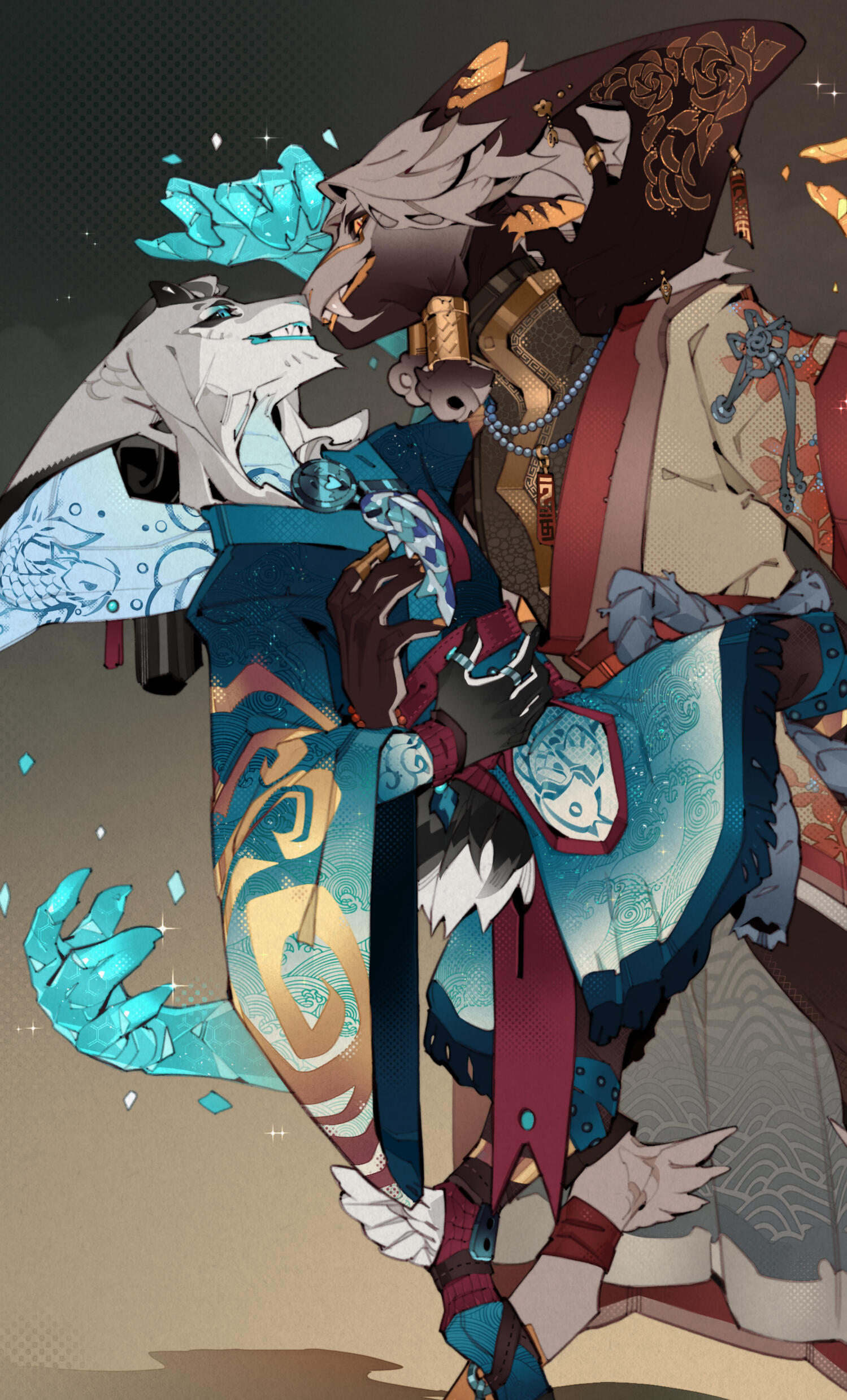
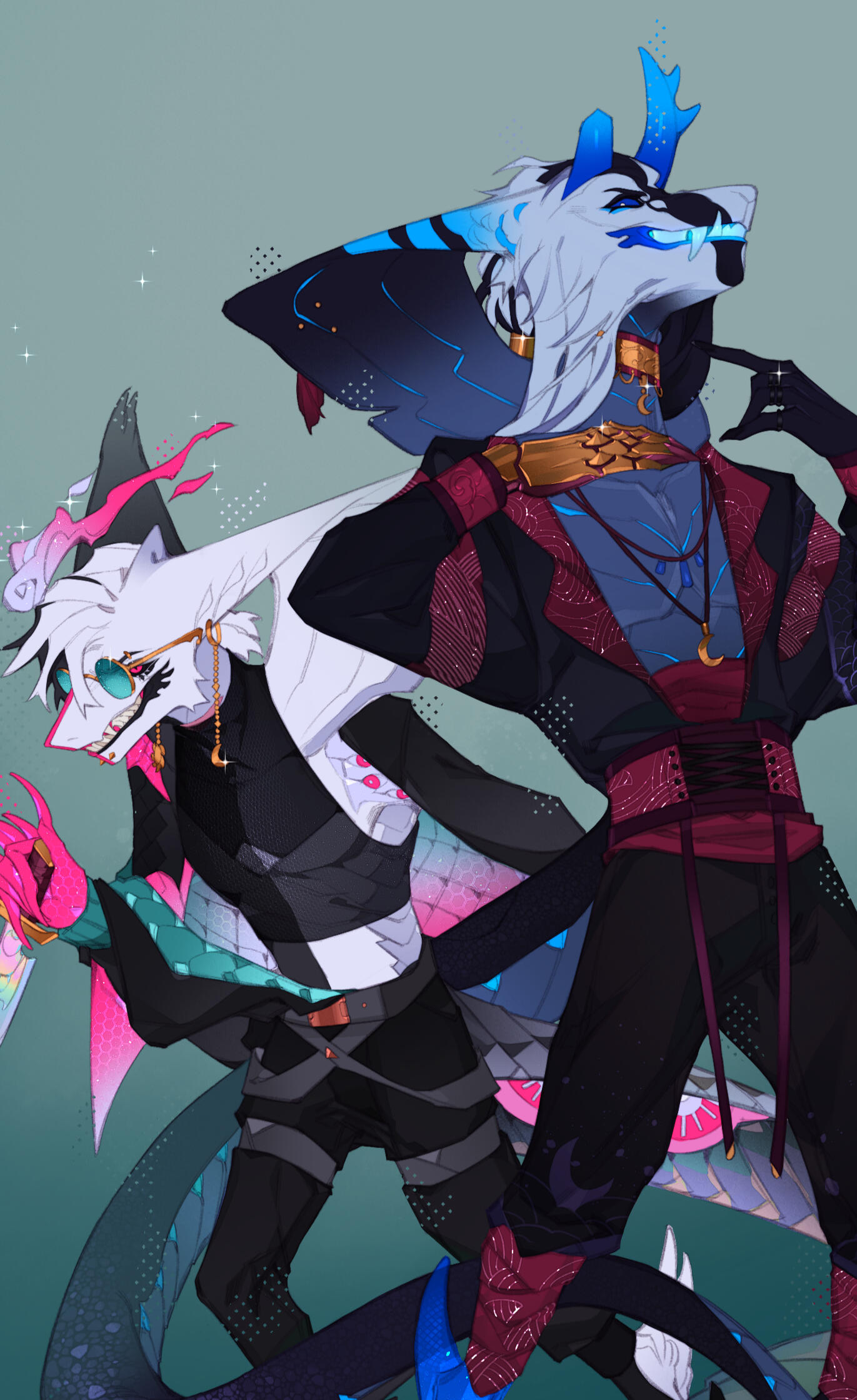
Marriage and Bonding for Life
" 'Cause if you like it, then you shoulda put a ring on it ".
Amongst Ichgor, sexuality and relationships are diverse and a fluid concept, due to the fact that they have three biological sexes. Ichgor individuals are free to love whoever they choose, regardless of gender or identity. Their language lacks human labels such as “gay” and “straight”, as such distinctions have no meaning in their culture. Many who are interested in having children but don’t have the ability to have them biologically choose adoption, as it is a standard practice and highly cherished in their species. Ichgor bonds with and marries only one partner at a time, and this is considered a strong spiritual connection. While monogamy dominates, having partners outside of marriage and engaging in polyamorous relationships is accepted as long as all parties consent. Marriage is seen as a sacred moment worth treasuring.
The dangers of committing Class Era mixing and interspecies relationships
" The more you fuck around, the more you're gonna find out ". (AIDS edition)
THE INTRICACY OF ROYAL RELATIONSHIPS
Polyamory is deeply ingrained in the customs of royal families, where multiple spouses, such as official concubines and informal partners, are accepted as part of maintaining a pure bloodline and political alliances. Royalties view polyamorous arrangements not just as a privilege but as an obligation to secure strong heirs while fostering diplomatic ties between noble houses. The concept of romantic exclusivity, or monogamy, is not strictly followed within their circle. In the social structure of royals, a concubine refers to a Celestial (and in rare circumstances, Sentinels) who is permitted to engage in a sexual or romantic relationship with the Eil’ (monarch) or Sra’ (royal descent).It is important to note that only Celestials can hold the position of a concubine. They are regarded as the secondary partners, typically chosen for their skills and social standing. They are expected to maintain a respectful relationship with the Eil’ and Sra’, never challenging their authority or that of their primary partners, their spouses/consorts. Their role is to ensure that new hatchlings are born and that the royal bloodline continues and grows. However, it is important to note that only the union between a consort (legal spouse) and the Eil’/Sra’ allows the creation of a legitimate Royal Descent. Offspring born from concubines are recognised as being Blood Royal, but they are not considered as the primary heirs to the throne or title, nor will they ever be legally allowed to rule as an Eil’ or Sra’. Only qualifying for a nobility title and giving them a fairly decent wealth and property.Having multiple concubines may be seen as a display of wealth, power, and prestige, but the quality of each individual remains far more important. A ruler’s status is also judged by the refinement and value each concubine brings to the court. The royal family generally oversees the selection of concubines. The specific criteria for selection may vary, but generally, individuals selected for this role tend to be physically appealing, well-educated, intelligent, and loyal, with a strong background.
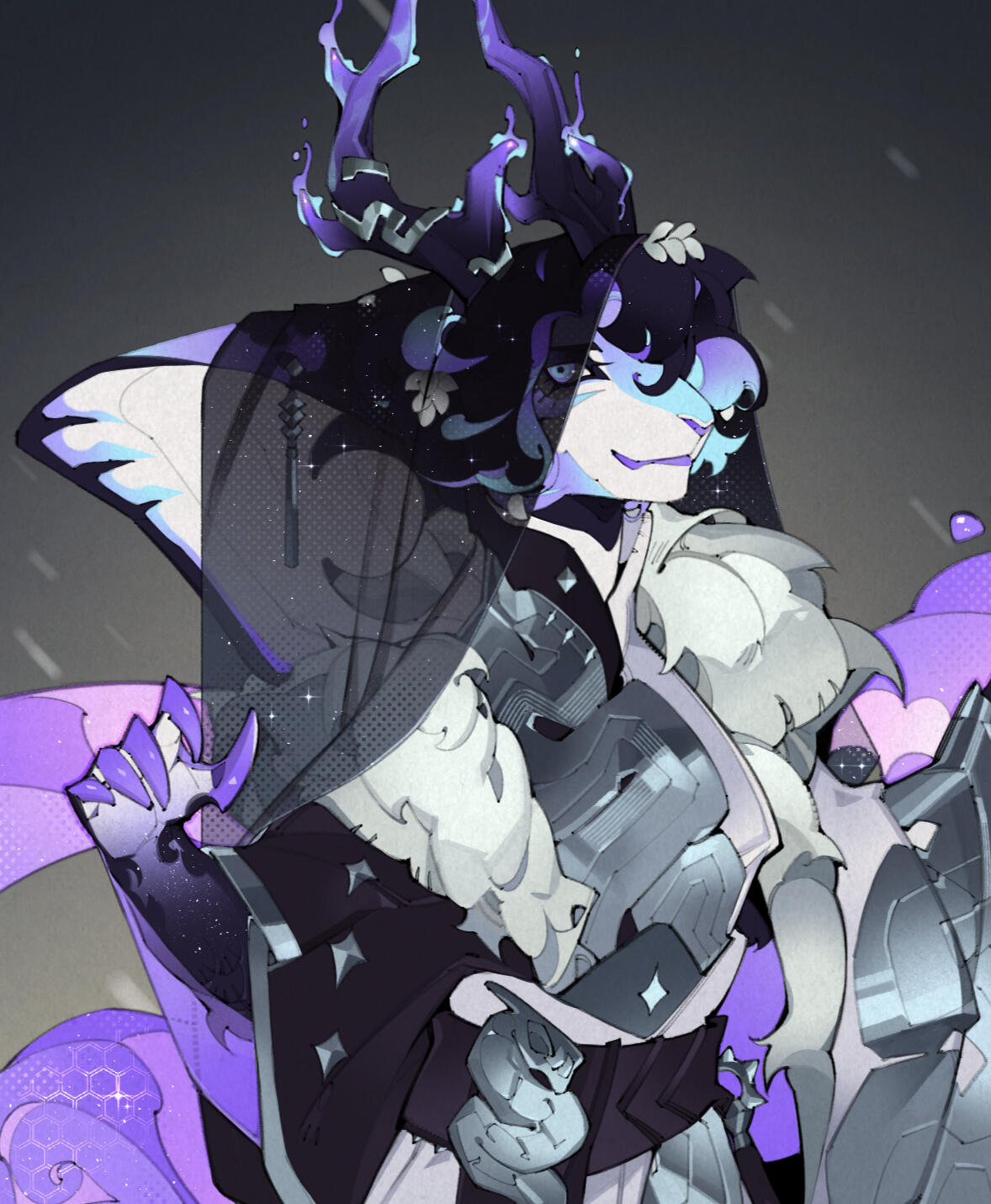
DISTINCTION BETWEEN ROYAL DESCENT AND BLOOD ROYAL
Within the royal system, there exists a distinction between two categories: The Sra’ known as the Royal Descent and the Shya’, known as Blood Royal. Royal Descent refers exclusively to the offspring of the Eil’ and Sra’s consort (legal spouse) and holds immense significance. Only those whose parentage includes a true royal of unbroken descent are recognised as default heirs to the throne, and they alone possess the legal right to ascend if the reigning Eil’ retire or pass. Their status is unchallenged.Children born from the procreation of Eil’/Sra’s and their other concubines are known as Blood Royal. Although royal blood surges within them, their lineage does not grant them succession rights or ruling authority. Only in the rare circumstances where all members of the Royal Descent (Sra’) perish, the Blood Royals (Shya’) may be permitted to claim the throne. How the next Eil’ will be chosen to rise then will depend on a voting system by the High Celestials and High Priests within the territory.In addition to that, the Eil’/Sra’s consort and their concubines. Neither the consort nor concubines are ever permitted to rule, regardless of circumstance or tragedy. Despite being honoured, their role holds no independent authority.
PRESERVATION OF THE ELDEN ANCESTRY
The upkeep of the Royal bloodline is of utmost importance, as it preserves the connection to a bygone era that holds the purest Elden Class ancestry. Although Xellarous altered the course of history through its corruption and destruction, the Ichgor species strives to protect what remains of these ancient bloodlines, which are also believed to be sacred and vital to their heritage and identity. They symbolise the holy core energy (The Halo), purity, and the roots of their ancestors, deeply connecting them to their Wyvernkin, the elements and their Planet Mothers. Therefore, for generations, before the evolution and splitting of the classes into the Old World and New World, Ancient Celestials practised the distribution of their essence to produce more royal descent, blood royal and the flow of old blood.
The Structure of Ichgor Consorts and Concubines
In Celestial society, the laws surrounding the hosting of concubines are among the strictest upheld traditions. Ichgor who are not of Royal Descent are strictly forbidden from taking concubines of their own. Doing so is considered a grave offence, punishable by the stripping of their titles and, in severe cases, execution. Only those with Royal Descent may lawfully hold such contracts. This rule exists across all territories and is enforced without exception. Allowing other Celestials to do the same could easily devolve into coercion, exploitation, slavery or the creation of non-consensual arrangements. For those concubines who serve legally, loyalty is the highest expectation. Any concubine who challenges their Eil’ or Sra’, whether by challenging their authority or betraying their trust, will be declared a traitor to the nation. Such acts of treason are seen as a threat to the Ichgorkind.The Eil’ and the Sra’ typically maintain a structured household, with up to four high consorts known as (Sehr') and as many as six concubines. Consorts are considered the Eil’s or Sra’s legally wedded partners, joined through romance, political alliance, or longstanding familial strategy. In contrast, Concubines are contracted individuals whose service is formalised through agreements that end when the contract is renewed, usually for a year at a time. They are compensated with wages and privileges for the duration of their term, during which they are not permitted to leave the royal territory. Many choose to extend these contracts, fully aware that their service brings good fortune, influence, and good standing not only to themselves but also to their families.As time passes, some concubines may become too old to contribute to the bloodline or to entertain their Eil’ and Sra’. However, age does not diminish their overall value. If a Royal Descent holds a particular affection or respect for a concubine, especially for their recognised intelligence, skills, and social abilities, they may be granted and rewarded a rise in social rank. Such honoured individuals receive property, wealth and personal servants. Thus, the hierarchy of consorts and concubines remains a strictly maintained pillar of Royal Celestial traditions balanced by loyalty, duty and sacrifice.
✦
THIS CONTENT IS FOR IN-DEPTH LORE PURPOSES.
Ichgor owners may not write Ichgor who are Eil, Sra, Royal Blood, or related to them by blood. This is reserved for NPCs. However, owners may write Ichgor who have connections to the Royal family, the political system, and royal-related NPCs with prior consent from the NPC owners.
FAMILY AND CONNECTIONS
The heart that kept the species alive
Ichgor, unlike humans and mammals, are creatures that bear eggs. Each new clutch that successfully births a life is a blessing and a gift in itself. Each new soul is a continuation of their species and therefore makes children's lives sacred and the heart of their world. Though keeping something as precious and delicate alive doesn’t come without struggle. This is because Ichgor eggs and hatchlings, unfortunately, have a high mortality rate and are prone to succumbing during incubation and in the first two years after hatching. Therefore, Ichgor have developed an instinct and culture where adoption is neither unusual nor unnatural, making it a normal and ingrained part of their society.
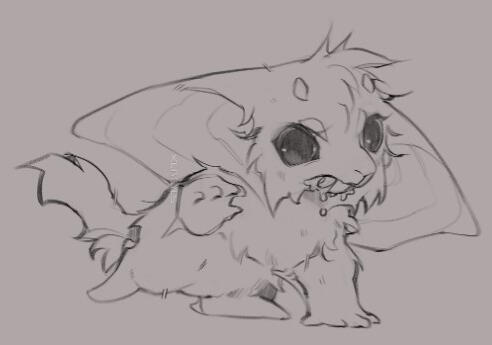
The culture and instinct to nurture and adopt
The journey of laying and nurturing an egg, alongside the care of a newborn hatchling, is a deeply demanding process that requires not only preparation but also a significant amount of physical recovery, care, and patience. Many younger Ichgor, feeling the weight of this responsibility, often find themselves unready to embrace parenthood. In such circumstances, rather than discarding unwanted eggs, those who might feel unprepared to become parents naturally turn to foster care. This choice reflects a hopeful trust that their eggs will be lovingly embraced by dedicated caregivers and parents who are eager to nurture and cherish them.While this openness demonstrates a beautiful trust in the community, there are still guidelines and expectations surrounding the adoption process. For instance, Ichgor Class rules dictate that only New World and Old World Ichgor care for their own, as this helps ensure that children from different World generations receive a balanced blend of social support, structure, and encouragement, as well as the opportunity to develop their natural core energy and instinct.
The Ichgor Hatchlings
The Ichgor hatchlings are called Ichlings!
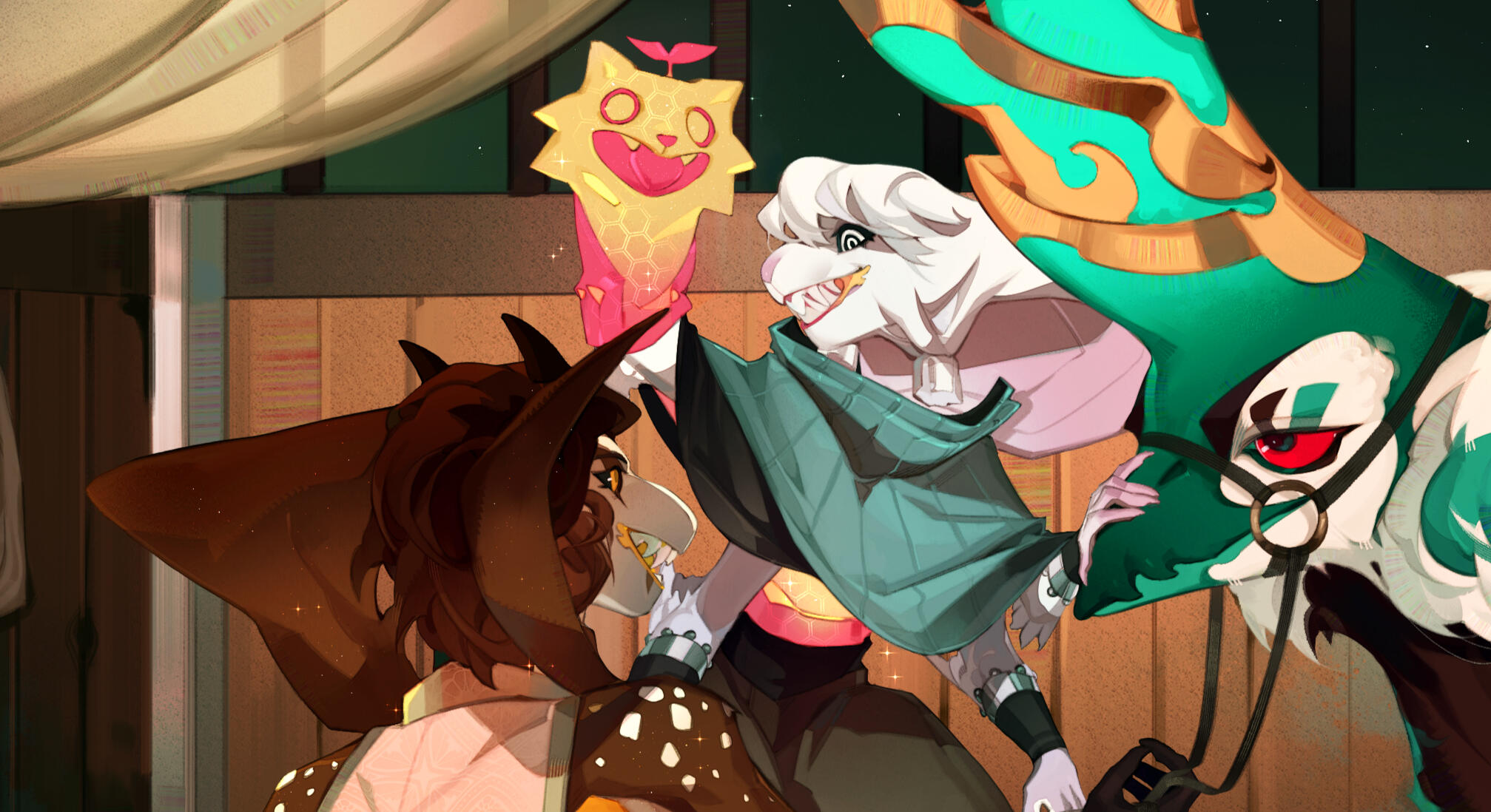
In the tender beginnings of an Ichling's life, these tiny beings instinctively seek the warmth and security of their parents’ and caregivers’ embrace, clinging gently to the crook of their collarbones, necks, and chests. With their tiny claws, they hold on tightly, finding solace in the presence of their loved ones. Most Ichlings do not open their eyes until about a month after hatching, making the physical connection with their caregivers all the more vital for their sense of safety. This skin-to-skin contact is crucial, as the gentle rhythm of a parent's breathing, heartbeat and the hum of their voice not only nurtures the Ichling’s fragile heart but also helps fortify their immune system. Many caring Ichgor parents lovingly use soft, silky sling carriers to keep their little ones close, while others might utilise their own cheek fluff to form a natural cradle of warmth and comfort for their beloved Ichling.
It takes a village to raise a child
Raising a child is a communal effort. As Ichlings grow, these times can become some of the most chaotic moments in everyone’s lives. Once they can crawl, their curiosity fuels their delightful hyperactivity, turning them into bundles of chaos. They love to explore with their hands and mouths, climbing onto the highest pieces of furniture and biting anything within reach, including their parents, especially as they begin teething. Sleep becomes a distant memory for parents as their Ichling eagerly explores every inch of their surroundings. In this new phase of life, the world is an exciting and beautiful place. As a result, parents and even neighbours often take turns caring for the child.Many Ichlings do not understand the concept of fullness. Once more, solid food is introduced into their diet, they tend to indulge; they could be described as embodying a "Sin of Gluttony". While their tendency to overeat may seem concerning, in Ichgor culture, an Ichling with little to no appetite is seen as unwell and should be a cause for concern.As Ichlings begin to learn to walk and run, they start to explore beyond their parents' and neighbours' homes. At this stage of their life, Ichlings would discover the richness of their village and develop vital social skills. It is not uncommon to see them forming groups that are sometimes supervised by an adult.
Many Ichgor jokingly refer to the adult in charge as "herding" the Ichlings.
Crimes and Exile
⚠︎
THIS CONTENT IS CURRENTLY IN PROGRESS AND PRONE TO CHANGE
The Exiled Territory is a sci-fi inspired area that is filled to the brim with ruins of the past civilization. These mountain areas have a diverse population of all subspecies and classes, the stereotypes and judgment that haunt the other nations do not follow an Ichgor to the exiled territory. A great effort is made here to shed the old customs of their regions and give equal rights to the whole population.Because of their access to these ancient technological resources, their aesthetic more closely resembles modern sci-fi. This includes their clothes being more modern looking, making them distinct from the rest of the regions. Their technological advances can be credited to the aid of the “old ones”, docile machines lurk the shadows traverse through the colonies.There are many reasons for an Ichgor to be in the Exiled Territory, but the most common one would be exile by the hands of their own nation, usually due to being found guilty for a tragic event or violence, guilty or not. For these Ichgor the Exiled Territory can give them a lot of hope for starting a new life. However, though much rarer, there are also isolated cases of self exiled Ichgor that believe in a better world compared to what they experience in their home nations and decide to show their prowess outside of the bounds of the law.> What Happens Ichgor That Have Been Declared 'Exiled'?Ichgor that are cursed with the title of 'Exiled' are forced to take part in public ceremonies where they are shamed in front of everyone they knew, and even people they don't, in a humiliation ritual.Since Ichgor care a lot about their cheek fluff and it is one of their sources of pride, to punish these exiles the people in power will cut them clean off and burn them in front of them to show that no matter what they will not be able to have those long strands of feathers anytime soon. Cheek fluff takes a whole lifetime to grow and because of the variety of colors and patterns Ichgor have, recreating them is incredibly difficult.After this ceremony of shame is held, they are thrown into the exiled territory to fend for themselves, only luck and power of will to assist in survival.> How Does One Seek a Home in an Exile Faction?When an Ichgor is first exiled, entry into a faction will only be granted if the Ichgor can prove their worth to the faction leader. Depending on the faction, this can manifest in different ways, from simple farm work to more unscrupulous activities like espionage or fighting prowess. Faction leaders have high expectations of exiles who wish to join in order to maintain their image, so many are turned out into the cold when they fail. However, the ones that do succeed gain a role in their faction of choice and may even find connections there.> How Does An Ichgor Voluntarily Exile Themselves?When an Ichgor wishes to self exile, they will traverse the perilous road to a friendly faction within Exiled Territory and ask for an exiling ceremony to be held. In this ceremony the Ichgor will willingly cut off their cheek fluff as a show of throwing off their home region and welcoming exile.An Ichgor is usually welcomed into the faction after the ceremony is performed, since the Ichgor just threw their pride away at the faction leader's feet. These voluntary exiles are allowed to keep their cheek fluff and make extensions out of them, adorned with jewels and gold.This aspect of the ceremony makes it possible for these Ichgor to use their old cheek fluff as disguises to wander back towards the borders of established regions to gather information or spot loved ones. However, they must be weary, because self-exile is easily identifiable to anyone that knows them or spots them crossing over.
NOTE: Exiling is not child's play and the process can be very traumatizing for the ones who endure it. This solitary process is meant to lead to the death of the ichgor. In the Nation within the exile territory, the MDT, people who have been exiled for causing unspeakable things like greater war crimes or massive death counts will not be allowed in and will be left to wander the deadly mountains until the end of their days. The nation of the free will not allow troublemakers into their only safehaven.
✦
Society
EXISTING NATIONS
⚠︎
THIS CONTENT IS CURRENTLY IN PROGRESS AND PRONE TO CHANGE
AZVIRAHN
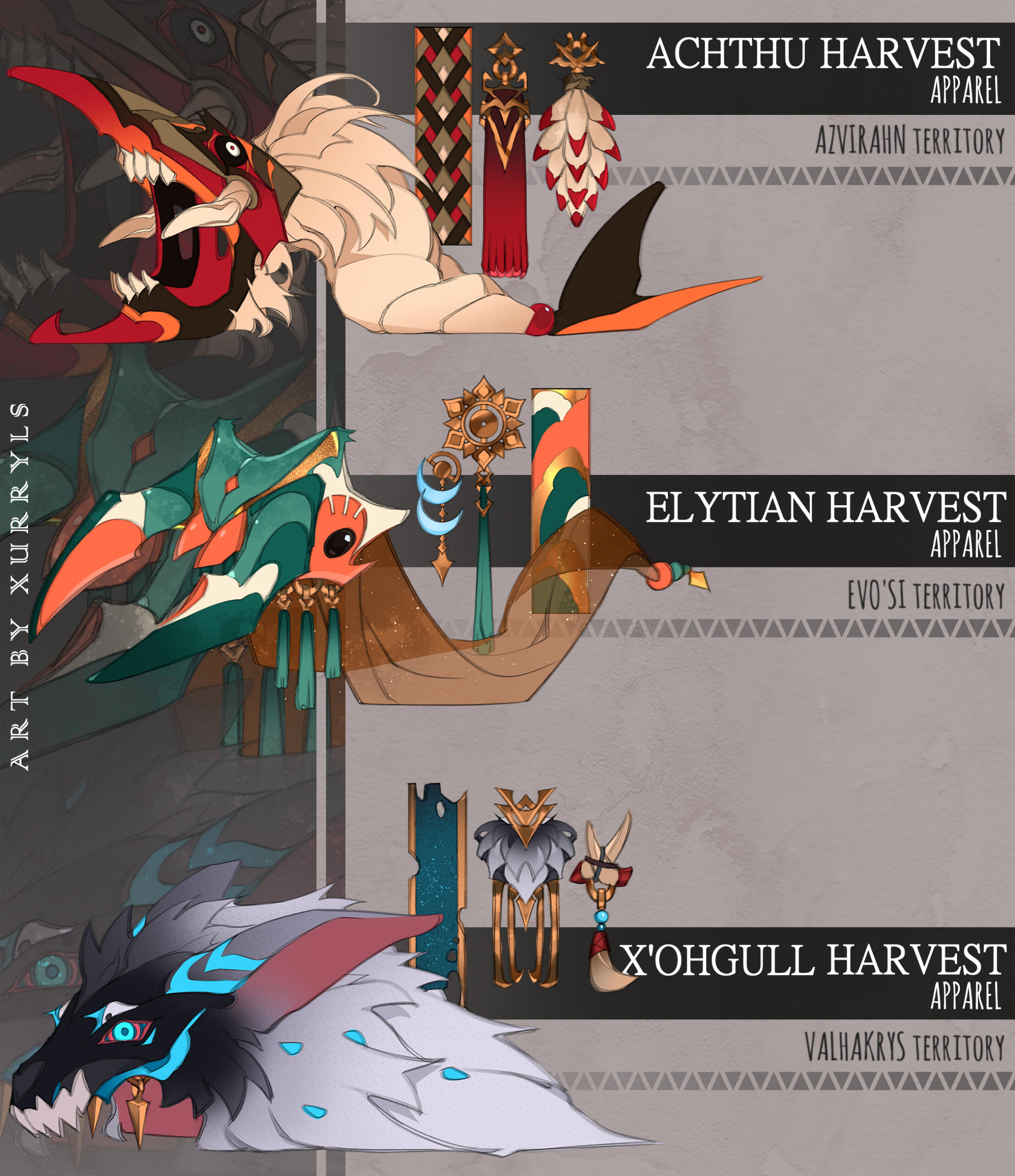
Ichgor that hail from the humid and tropical areas. Well known by the fact that their Halos can have any color possible in comparison to their other two sibling subspecies. Their culture is based on making every bit of life meaningful and respecting mother nature as a whole, since she provides them with all their needs. They are a prideful and territorial society that tattoo themselves as a way to decorate their bodies.They are the wealthiest of the established regions due to their abundant resources and expertise at trading. This is because they live in jungles and forests that provide them if you do not mind the great amounts of aggressive fauna and plentiful wyverns. Because of how dense their biome is, bioluminescence is easy to find and light the way through the leaves and trees. They are greatly inspired by East Asian cultures of the past and tropical civilizations.Religion:
The Azvirahn worship the light within the inborn and reborn. They believe every entity has a strong physical and spiritual energy that presents both the reality inside and outside where all living shares a great connection. Birth from the unknown, return to the unknown. A life cycle of reincarnation of old and new souls reliving wonders as a new entity.Upon an Azvirahn's death they bathe their deceased kin and dress them in embroidered cloth that relates to their deeds. Over that cloth they pour hot wax from candles made by the holy blood before offering the deceased to the Wyvern of the Great Beyond. A gentle head bow signifies a blessing of a new life and a gentle kiss of its muzzle signifies the end where their last rest will be in the stars. After the judgement is passed they lower the dead into the earth with many offerings as the last gift of their previous life.
EVO'SI
Ichgor that hail from a hot and bright nation full of arid biomes that are fond of nocturnal living due to the heat. The lack of usable resources have made them develop frontal teeth that are perfect for eating insects, consuming mineral blocks and cracking shells of hard fruits. Their culture is based on teaching the youth for a better future and avoiding chaos. Diplomacy is a big interest point for them and can range from peaceful and quiet to quick and merciless.Their whole daily lives are structured to be able to meet the sunrise to greet their god every morning. When they become of age they carry on a ritual where they bathe themselves in burning gold. Golden aspects hold importance therefore they decorate themselves with it.
They are greatly inspired by middle eastern cultures of the past and desert civilizations. Their Halo often have warm colors.Religion:
The Evo’si worship the Sun and Moon. They believe in life and birth gifted by the Sun and the cradle and passing gifted by the Moon. A nocturnal subspecies of the night living in the security of the moon and embracing the new life offered by the sun.They paint their deceased with blessed gold from the tip of the horns and the end of their tail to guide them into the path of the otherworldly. They then rest them on a pallet of silver wood carved by the priest and offered to the Great Wyvern of the Sun. As the moon reaches the center of heaven’s sky they offer a final kiss to their deceased before they are sent to the heavens by the flames of the Wyvern Sun.
VALHAKRYS
Ichgor that hail from a cold and dark nation. They are a subspecies that have adapted to the ice and snow and therefore follow a meat-heavy diet, this is reflected in their strong and sharp molars. Their culture is heavily based on the thrill and respect for the hunt, honoring every part of the animal they kill. A defining aspect of them is their tendency to paint their bodies in different colors as a form of decoration. Their face paint is given when they reach maturity and it has great importance to them.Due to their harsh weather, deep swamps, and icy terrain, they are the poorest of the three established regions. They enjoy hot springs as leisure and love crafting warm clothing with pelts and leather. They are greatly inspired by Northern European cultures of the past and snowy civilizations. Their Halo often have cold colors.Religion:
The Valhakrys respect and worship the concept of Premortality, Life and the Afterlife. The hums of the beginning and the silence of the end.They paint the face of their deceased with dye made out of velvet leaves and black ashes of their Wyvern descendants and ancestors as they lower them into the beautifully crafted coffin. As the living, they all hum for their silent brethren, carrying and marching to the highest peak to offer them to the Holy Wyvern of All-Seeing where the body is brushed with funerary torches and then touched to the snow, returning their soul to the gods. The icy remains are then marched back down the mountain to their holy place of rest, to be watched over by the groundskeepers.
EXILES
Being exiled by a region means that an Ichgor is thrown out of their home region and into the No Man’s Land between regions, often called the Exiled Territory. The Exiled Territory is a mountainous region riddled with ruins of the past civilization and abandoned machinery, seemingly towering as high as the mountains they’re nestled within. Compared to the established regions, some may see the Exiled Territory as a barren region, but Exiles see it as a safe haven where disputes are trivial and survival is the only goal.The Exiled Territory has multiple factions ruled by different Ichgor that have risen above others due to their strength and decision making prowess. These safe zones are filled with different merchants and guilds for an Ichgor willing to take the risk on dubious endeavors. Here, the black market runs in the daylight and everyone can get a fill of their vices. No Ichgor judges what you wear, what wyvern you worship, or what company you keep, society here runs on what an Ichgor can provide to others around them.The capital for the Exiled Territory is a faction ruled by a Celestial, Xynoxious, called the Metal Devil Territory, located in the “eye” of the Ichgor continent. This is a walled off faction that is only accessible via port and is extremely hard to find. While exiled Ichgor will try to find and join the MDT as a refuge from the other warring factions, they must earn their place there through rigorous tests, both mental and physical, as well as a background check to ensure they won’t be a danger to the budding community within the unpassable peaks.
STRUCTURES
⚠︎
THIS CONTENT IS CURRENTLY IN PROGRESS AND PRONE TO CHANGE
Within the Ichgor world the three subspecies can follow a variety of structures to their population but there are some things that stay true within all of them.In the following, there is a list of places your Ichgor may live in to help you sprout ideas of their background and way of living
CAPITALS // Due to their complex border relations, Ichgor have two capitals for each region.
MAIN CAPITAL: Often located in the centre of the region, this is what we can consider a capital in the most traditional sense and where Eil or rulers are often located. Ichgor are attracted to live in them due to the great security these places bring. These sprawling metropolises tend to have the highest concentration of novel technology and are where all big religious acts are hosted, like festivals and exile ceremonies.
BORDER CAPITAL: The border capitals were born purely out of a need for diplomacy within the subspecies. Normally ruled by a secondary set of rulers or the sibling of an Eil, these cities are the “melting pots” of their regions. Here it is not rare to spot other subspecies passing through for the sake of trading or diplomacy. Ichgor travel out to these areas due to the possibility of great wealth from the war effort and unique resources they may have. Sadly, crime and violence tend to be more common in these areas because of the distance from the main capital.
STRONGHOLDS // These are the closest in density to cities. They are big, but not quite the the size of a capital.
MONASTERIES/TEMPLES: Strongholds that are cities built around a well established monastery or temple. These places are swarmed by Ichgor that wish to devote themselves to religion and honour their gods. Because of their religious status, it is less likely to face crime and violence as the god's presence is strong in them.
NOBLE CASTLES/PALACES: These refer to extensive pieces of land that are owned by a noble or royalty from old that the region no longer recognizes, often highlighted by a castle or palace. Some Ichgor still hold respect for the old names from before region's union and continue to live there to serve their houses. Although all of these Ichgor are loyal, some nobles treat their subjects better than others.
DEMOCRATIC STRONGHOLDS: Places where the noble or royalty of the land is long gone, these are more often democratically elected places that have a table of leaders running them. They serve under the current national leaders but have a tendency of simply doing their own thing. These strongholds are often unique in scope and the palaces or castles that are there are repurposed into public buildings for their inhabitants. Your actions speak louder than your family name here.
BORDER STRONGHOLDS: Smaller versions of Border Capitals, these are places where Ichgor simply tend to end up if they are living on the region's border. Seeing other subspecies seen here is even more common than the border capital thanks to a laid-back military presence guarding them. While they are great trade hubs and ports because of this, they often face attacks from pirates and outlaws. They are greatly affected by war so they can be seen as dangerous places to live in.
TOWNS // Small towns are often found scattered around the whole nation.
LAWLESS TOWNS: This is what we call the wild west of the world, these towns are either new or have been broken down by war and conflict. An Ichgor could describe them as a flip of a coin, you may have a great time or a nightmarish experience travelling through them.
TEMPLE TOWNS Smaller versions of the religious strongholds or a religious stronghold in the making. Quiet, peaceful places where Ichgor mind their business.
COMMERCIAL/PORT TOWNS: Smaller trade hubs like ports, these are often a great place for Ichgor to sell their goods for some much needed coin. Ichgor don’t ask or tell. Business is all that matters to them.
ADMINISTRATIVE TOWNS: Towns where the representatives of a local area live, these towns are often a hub for politicians to send news out or receive news from superiors. The presence of the military tends to be higher, making crime is more scarce.
BORDER TOWNS: Smaller versions of the border strongholds, these places tend to have a huge cultural exchange between other subspecies and are often the escape for people who don’t quite agree with the animosity between regions. The outcasts and weirdos are always welcome. Some Ichgor call these the “free lands”
COUNTRYSIDE // Places that have a very scarce population and aren’t big enough to be even called a town. They are scattered everywhere and tend to be dismissed a lot.
FARMLANDS: As per the name, farms! Where the Ichgor raise cattle and produce food for the rest, calm places away from everything.
VILLAGES: Small villages with no more than 5k inhabitants. Sometimes as little as 100 depending on the place. Very natural areas and good resting spots for travelers.
NOMADIC CARAVANS; Some Ichgor decide to live a nomadic lifestyle in the form of roaming caravans. Most that join tend to hop between caravans as they travel through regions, but some stick with only one group. They're for the free spirits that aren't fond of the idea of settling down or for the Ichgor that wish to run away from the shadows of their past.
BOARDER WAR CAMPS: As per the names, military camps across the borders that take part in the constant war effort between factions. These are very dangerous places to be in and often filled to the brim with people that have accepted they may not return home. Approaching these as another subspecies can cost you your life.
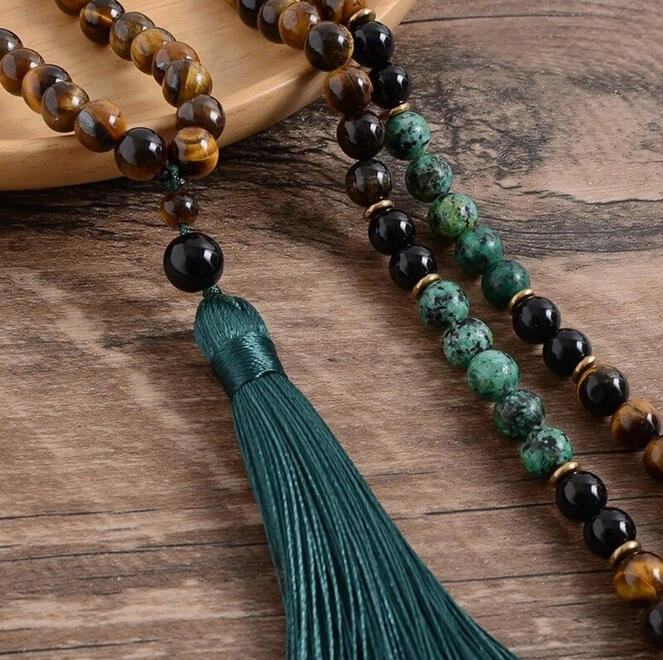
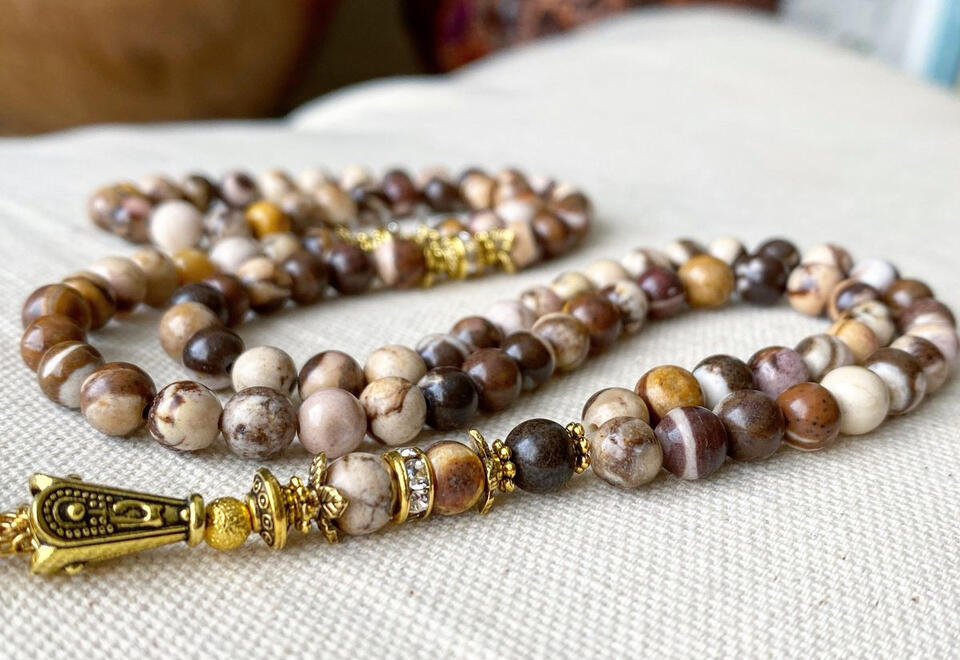
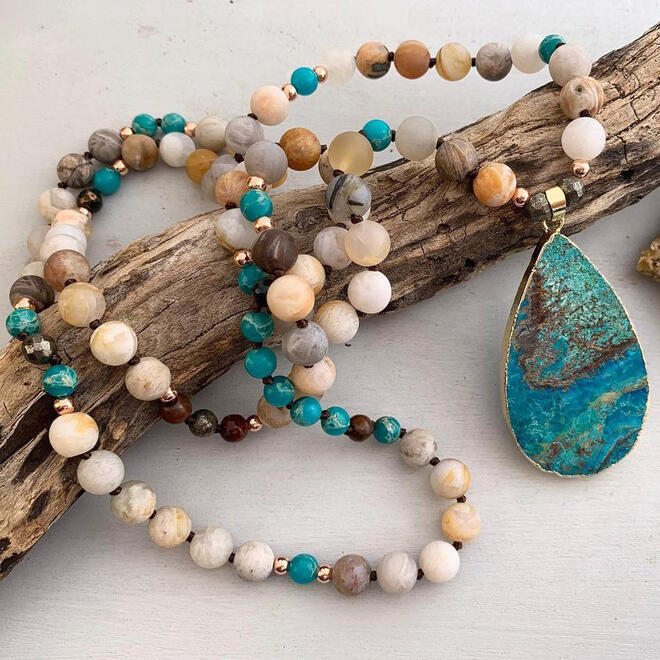
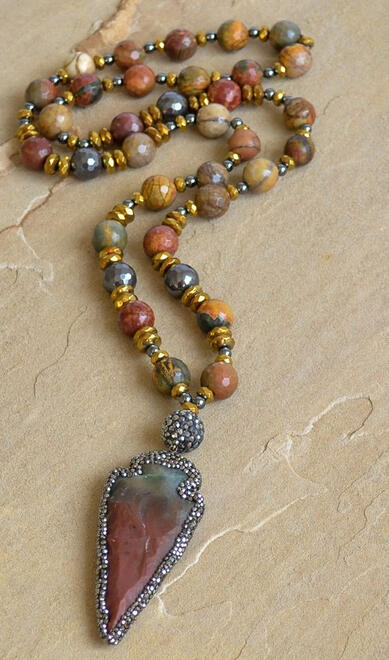
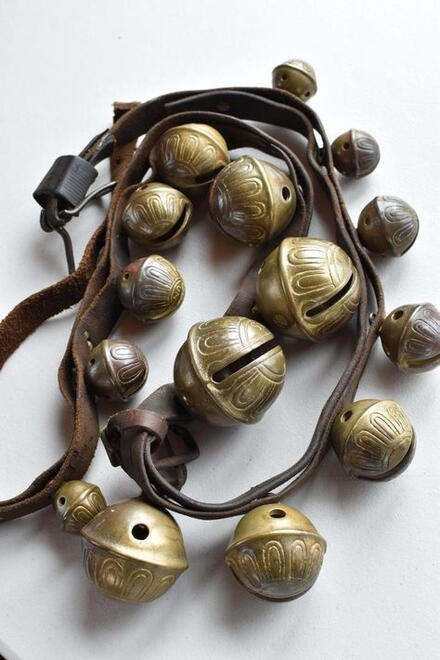
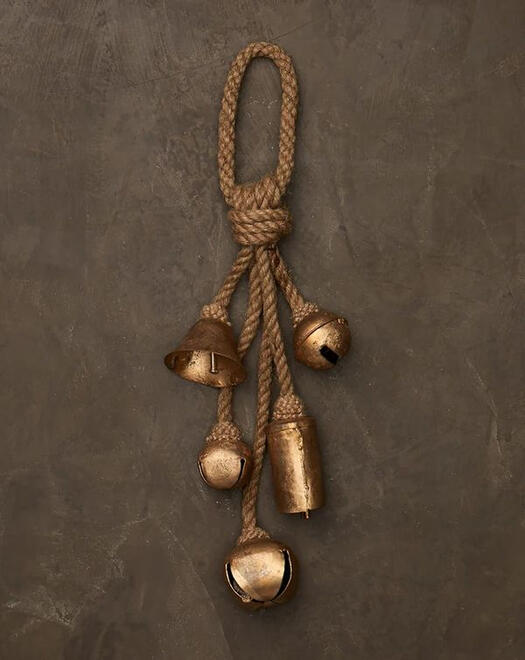
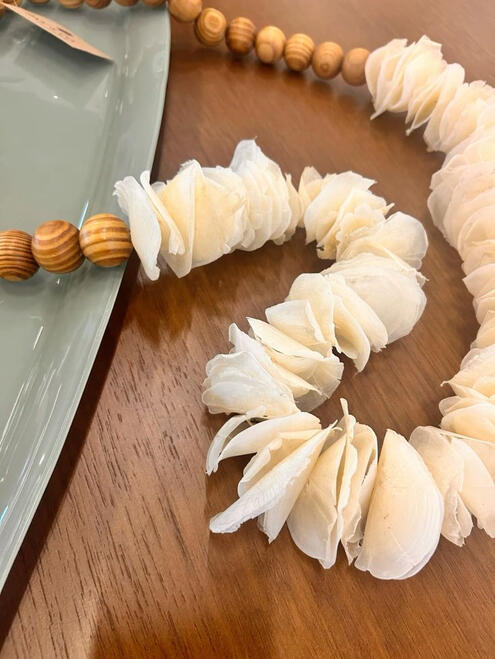
Currency
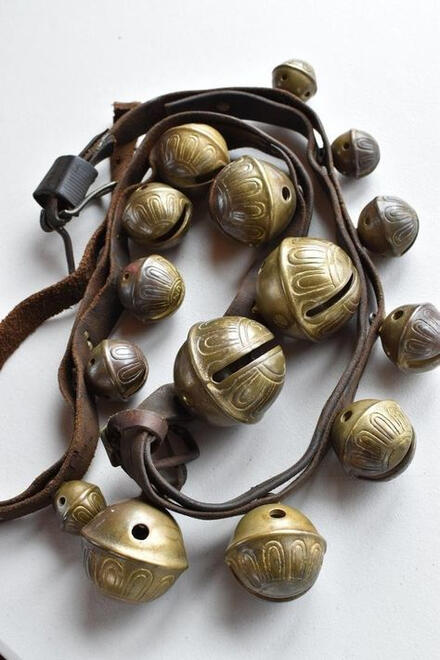
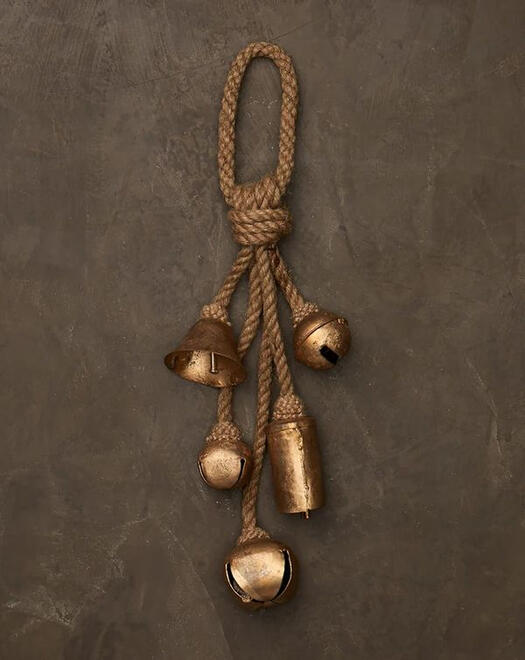
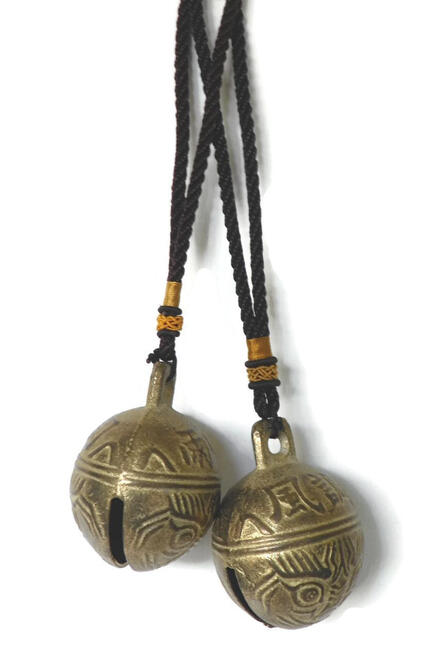
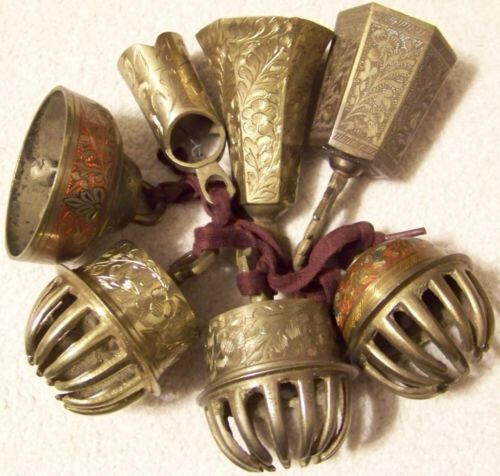
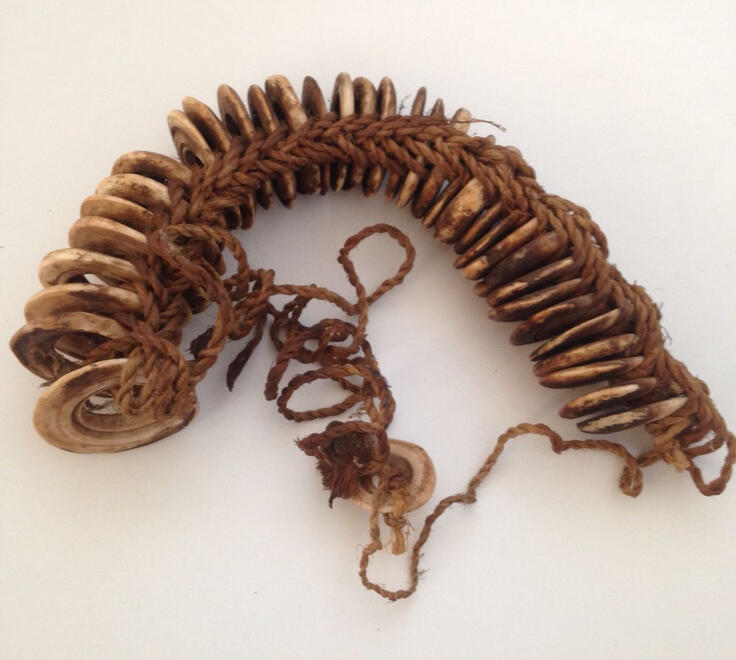
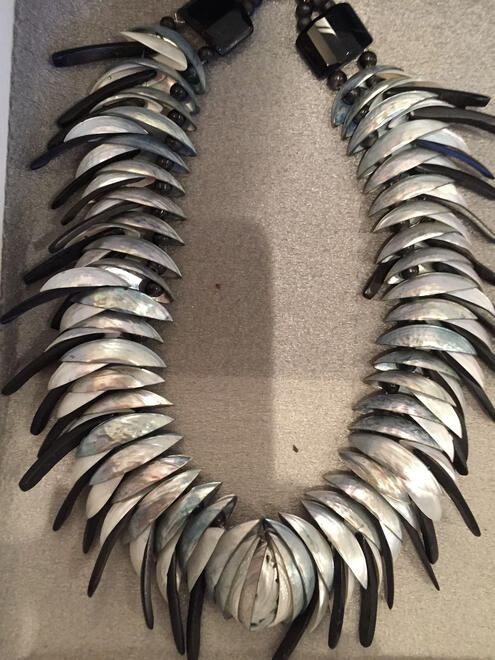
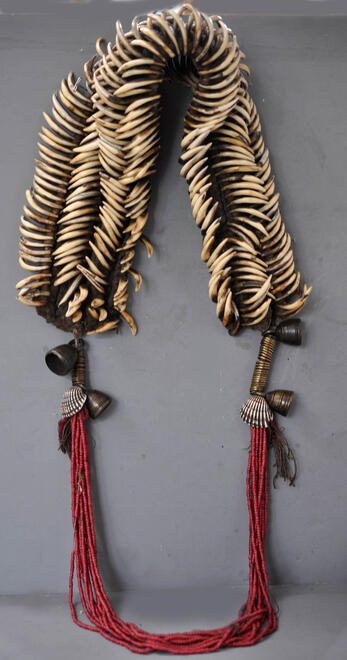
✦
Religion
⚠︎
THIS CONTENT IS CURRENTLY IN PROGRESS AND PRONE TO CHANGE
Religious practices
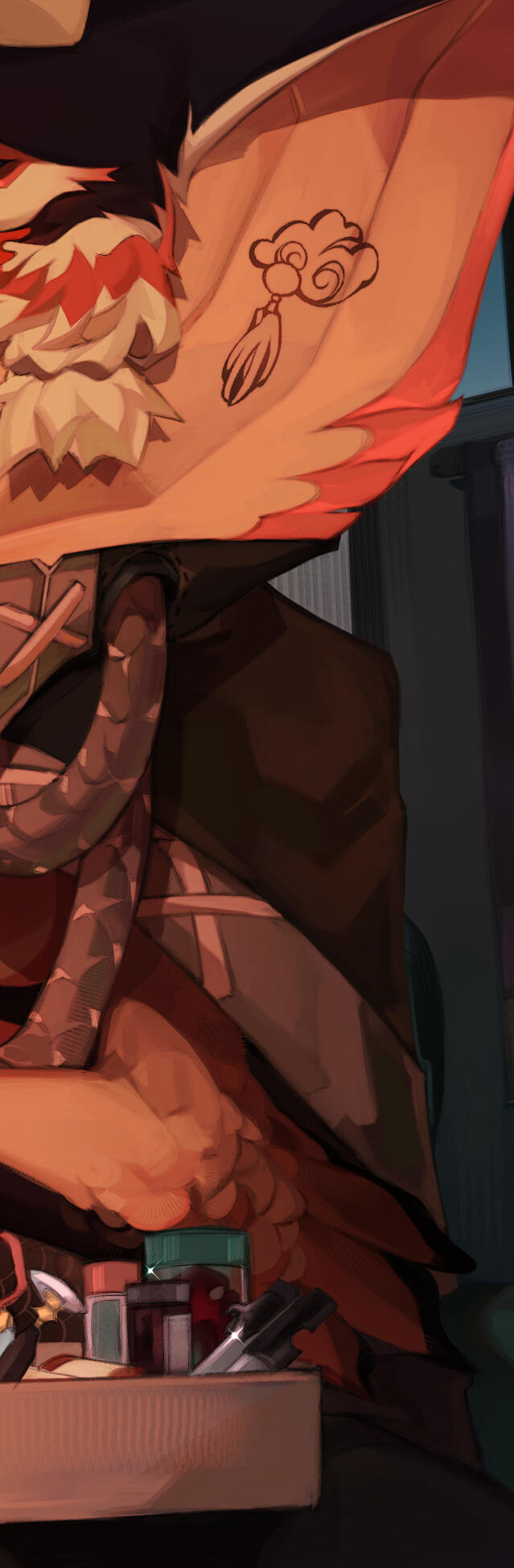
The Origin of ExileThe action of exiling a Ichgor from their people has roots in the religions of each territory. As per an ancient legend, the Five Early Gods separated and exiled the youngest of their number as an act of mercy after they wronged the cycle of life. These gods decided to not to kill their kin and instead punished by isolating them so they could think about their actions.Due to this legend, murder is very unlikely to happen in Ichgor culture, though exceptions are made when an infected come into play. Interacting with an exile can be seen also be seen as as defiling the practices of the Early Gods and can put any Ichgor in a lot of trouble.Each subspecies has their own way to respect the dead and handling their mourning. Even though Ichgor can be ruthless, they are a very forgiving and respectful culture when it comes to those that came before them.[VALHAKRYS]The Valhakrys respect and worship the concept of Premortality, Life and the Afterlife. The hums of the beginning and the silence of the end.They paint the face of their deceased with dye made out of velvet leaves and black ashes of their Wyvern descendants and ancestors as they lower them into the beautifully crafted coffin. As the living, they all hum for their silent brethren, carrying and marching to the highest peak to offer them to the Holy Wyvern of All-Seeing where the body is brushed with funerary torches and then touched to the snow, returning their soul to the gods. The icy remains are then marched back down the mountain to their holy place of rest, to be watched over by the groundskeepers.[EVO’SI]The Evo’si worship the Sun and Moon. They believe in life and birth gifted by the Sun and the cradle and passing gifted by the Moon. A nocturnal subspecies of the night living in the security of the moon and embracing the new life offered by the sun.They paint their deceased with blessed gold from the tip of the horns and the end of their tail to guide them into the path of the otherworldly. They then rest them on a pallet of silver wood carved by the priest and offered to the Great Wyvern of the Sun. As the moon reaches the center of heaven’s sky they offer a final kiss to their deceased before they are sent to the heavens by the flames of the Wyvern Sun.[AZVIRAHN]The Azvirahn worship the light within the inborn and reborn. They believe every entity has a strong physical and spiritual energy that presents both the reality inside and outside where all living shares a great connection. Birth from the unknown, return to the unknown. A life cycle of reincarnation of old and new souls reliving wonders as a new entity.Upon an Azvirahn's death they bathe their deceased kin and dress them in embroidered cloth that relates to their deeds. Over that cloth they pour hot wax from candles made by the holy blood before offering the deceased to the Wyvern of the Great Beyond. A gentle head bow signifies a blessing of a new life and a gentle kiss of its muzzle signifies the end where their last rest will be in the stars. After the judgement is passed they lower the dead into the earth with many offerings as the last gift of their previous life.
Gods and Enlightenment
⚠︎
THIS CONTENT IS CURRENTLY IN PROGRESS AND PRONE TO CHANGE
THIS SECTION IS A MASSIVE WORK IN PROGRESS; THE LIST BELOW IS TEMPORARY FOR ESTABLISHING ALREADY NAMED EXISTING GODS AND ENLIGHTENMENTS.
More detailed explanations of their identities will come in due time.
| NAME | ENLIGHTMENTS | OTHER ALIAS | COMMON LOCATION | STATUS |
|---|---|---|---|---|
| [Nameless] (any) | Neutral | - No Named God - The Nameless One - One who Sacrificed | - Their remains are "believed" to be all across the world Location Unknown | Deceased |
| Aeo’zhyrin (they/them) | Air | x | - Aeo'zyrin Territory (Azvirahn) - Skies of Aeo'zyrin Territory | Alive |
| Ahk’nurya (he/him) | Water | x | - Ahk’nurya Territory (Valhakrys) - Ahk'nurya Temple | Alive |
| Roh'shamun (she/her) | Fire | x | - Roh'Shamun al Qarun Territory (Evo'si) - Sun Temple | Alive |
| Roh'qarun (he/him) | Fire | x | - Roh'Shamun al Qarun Territory (Evo'si) - Moon Temple | Alive |
| Vher’myrak (she/her) | Earth | x | - Vher’myrak Territory (Metal Devil) - Vher’myrak Cave Temple | Alive |
| Pino'rashi (he/him) | Plasma | - The Bastard Child of Storms - Bringer of Bad Omens | - Highest Peaks of Vher’myrak territory - Every skies of any Territory | Alive |
| Ummi'rori (she/her) | Molten | - The Hearth - Mother | - The Plaguehunter Sanctuary | Alive |
| Vita'Chronos (any) | Time | ??? | - [Unknown] Believed to be in a location between Time and Space | Alive |
| Vita'Spatium (any) | Space | ??? | - [Unknown] Believed to be in a location between Time and Space | Alive |
✦
culture
BODY ART
AZVIRAHN TATTOOS
This body art is traditionally practised only by AZVIRAHNS and Ichgor from Vher'myrak (the exile) territory.
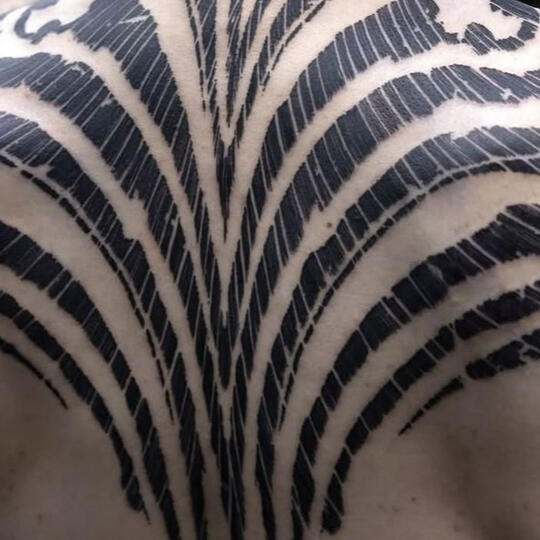
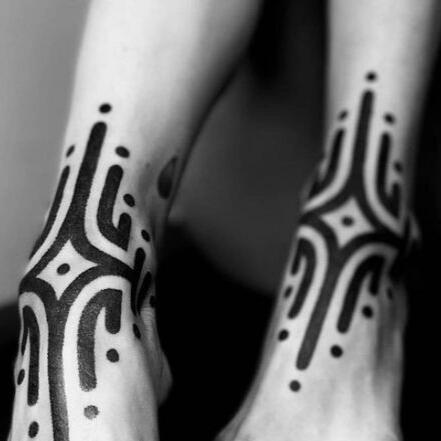
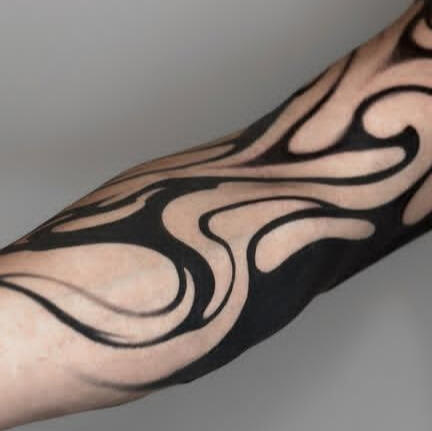
| TATTOO FORM | CONCEPT | SYMBOLISM |
|---|---|---|
| FLORAL | Flowers and plants of any kind | Gentle and loving nature. Kind and compassionate. |
| FAUNA | Creatures, animalistic parts and textures | Intinctive and deeply rooted. Emotional and Reliable |
| ELEMENTAL | Natural elements and celestial bodies | Deep emotional and spiritual connection to the Wyvern Origin. |
| ANGULAR | With many sharp edges and ends | Strong spirited and confident. Resilient and Powerful. |
| ROUNDED | With many rounded and/or spiral shapes | Creative and adaptable. Reserved and Open-minded |
AREAS SUITED FOR TATTOOS
Tattoos can only be applied to the skin, which is why they are most commonly found on the inner hood. In rare cases, individuals with snake-belly traits may have tattoos on their chest and torso. Those who want tattoos in other areas will sometimes pluck their feathers to expose the skin, allowing them to tattoo the bald patches. These bald spots are often permanent, a sacrifice made for beautiful tattoos.
TATTOO PIGMENT
Tattoos are primarily made in black, using a pigment derived from natural, common, and readily available resources. Many attempts to create colored tattoos tend to fade quickly, often damaging both the skin and the artwork. While coloured tattoos may not be an option at present, the Azvirahn have developed a unique method for carefully extracting pigment from an Ichgor's Halo limb. This pigment can then be used by Ichgor tattoo artists to create their tattoos.
Tattoos come in Black and/or the colour extracted from their Halo.
Ichgor can only use their own Halo Pigment; no one else can. An orange Halo means an orange pigment.
An Ichgor tattooed with Halo Pigment outside their own can cause an infection that often leads to amputation of the affected limb or body part.
Only trained professionals can extract the pigment from the Halo Limb. There is a specific profession dedicated to this task.
Taboo
Tattooing the membrane is completely unacceptable. It is a widely acknowledged fact and collective belief among every subspecies that intentionally damaging, piercing, or desecrating their membrane is a grave insult to their wyvernkin ancestors and gods.
EVO'SI METALLIC MAKEUP


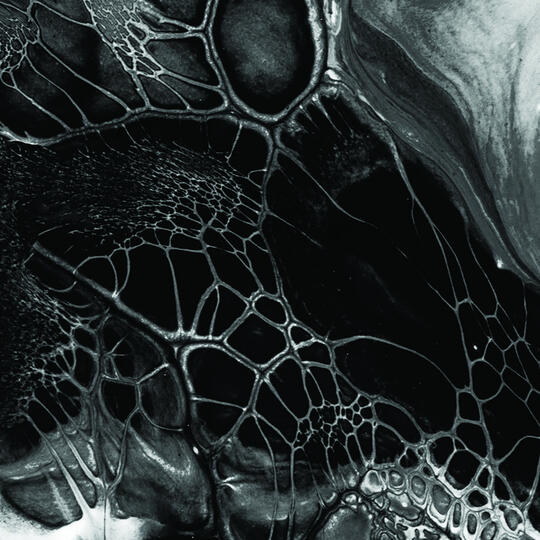
This body art is traditionally practised only by EVO'SI and Ichgor from Vher'myrak (the exile) territory.
| MAKEUP | COMMONLY WORN BY | IMAGE OF THE | PERSONALITY SYMBOLISM |
|---|---|---|---|
| GOLD | Those hatched during the DAY | SUN | Confidence, Compassion, Optimism, Life |
| SILVER | Those hatched during the NIGHT | MOON | Spiritual, Passive, Guidance, Death |
| ONYX | Those hatched in the BETWEENS (Sunrise/Sunset) | ECLIPSE | Balance, Patience, Stability, Reincarnation |
Common usage
Evo'si metallic makeup is a popular and highly favoured form of cosmetic use. It's often worn while praying, practising religious rituals, and attending religious events. It is also known as a powerful tool for self-expression, making it a strong societal beauty standard within the Evo’si nation.
Materials
Traditionally, gold, silver, and onyx paints are created from a mixture of finely ground ores, quartz, and other natural materials. These paints can be quite expensive, making them accessible only to the wealthy. As a result, common people often resort to imitations and more affordable materials to craft and trade these products for everyday use, while reserving genuine materials for religious purposes.
Genuine metallic paint made from finely ground ores and quartz is usually shinier and more shimmering. Because of this mix with other ingredients. It becomes more reflective in the dark, giving it an almost enchanted appearance.
Imitation metallic paint isn’t usually shimmering but is still reflective. They are most beautiful when worn in areas with light, giving them a flashy look and enhancing their appearance.
Ichgor will only wear one type of metallic pigment at a time. While they usually prefer to wear their birth colour. Some can be seen wearing a different metallic paint to embrace a different self-expression.
VALHAKRYS BODY PAINT
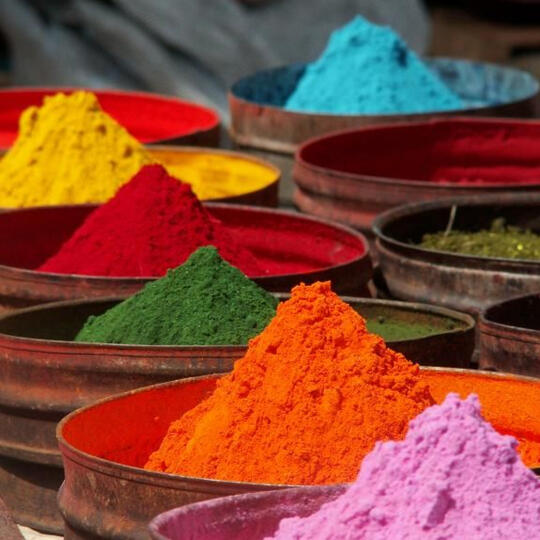
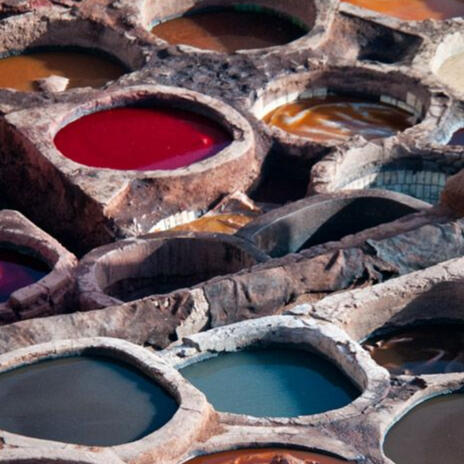
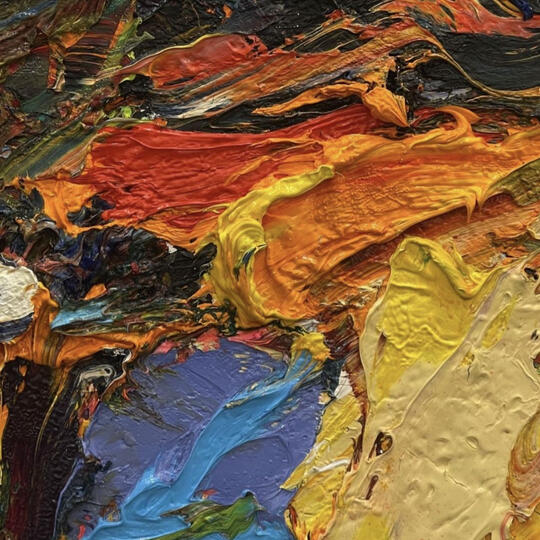
This body art is traditionally practised only by VALHAKRYS and Ichgor from Vher'myrak (the exile) territory.
| PAINT COLOUR | SYMBOLISM | ALSO CAN BE WORN BY/DURING |
|---|---|---|
| RED | Vitality, dominance, and confidence. | |
| BLUE | Healing, wisdom, and versatility | |
| YELLOW | Longevity, positivity and fortune | |
| GREEN | Health, growth, and balance | |
| WHITE | Innocence, Connection, Purity | Newborns, To be Wedded |
| BLACK | Mourning, Death, and Resilience | Funerals, The dead, Plaguehunters |
Paint and it's expression
Body paint describes more than just the atmosphere and mood in a period of an Ichgor’s life. But also to express a deep mental state of oneself towards their current way of life and how it has come to affect them emotionally and physically. It is also known to be worn with religious significance and practice, cosmetic reasons, intimidation tactics, and expressing respect.
Paint Usage
While it is common to wear one colour of paint at a time, there are rare circumstances in which Ichgor may choose to wear two different coloured paints simultaneously, depending on the combination. The only colours they will not combine and wear alone are White and Black, as these colours hold greater religious significance than the others.
Wearing Blood
When a Valhakrys wears blood, it is typically the blood of their enemies, their kills, or the fallen bodies of their brethren and loved ones. This act serves as a symbol of rage and a desire for vengeance. At that moment, the Ichgor often experience emotional and mental trauma, and wearing the blood of their enemies or fallen loved ones empowers them to confront their opponents. This practice is not only an intimidation tactic but also an expression of violence. Ichgor blood is very dark and thick. When fresh, it comes in several strong, deep hues of red, dark blue, or dark purple. When dried and oxidised, it always turns black with hints of a red hue, no matter the colour they were originally.
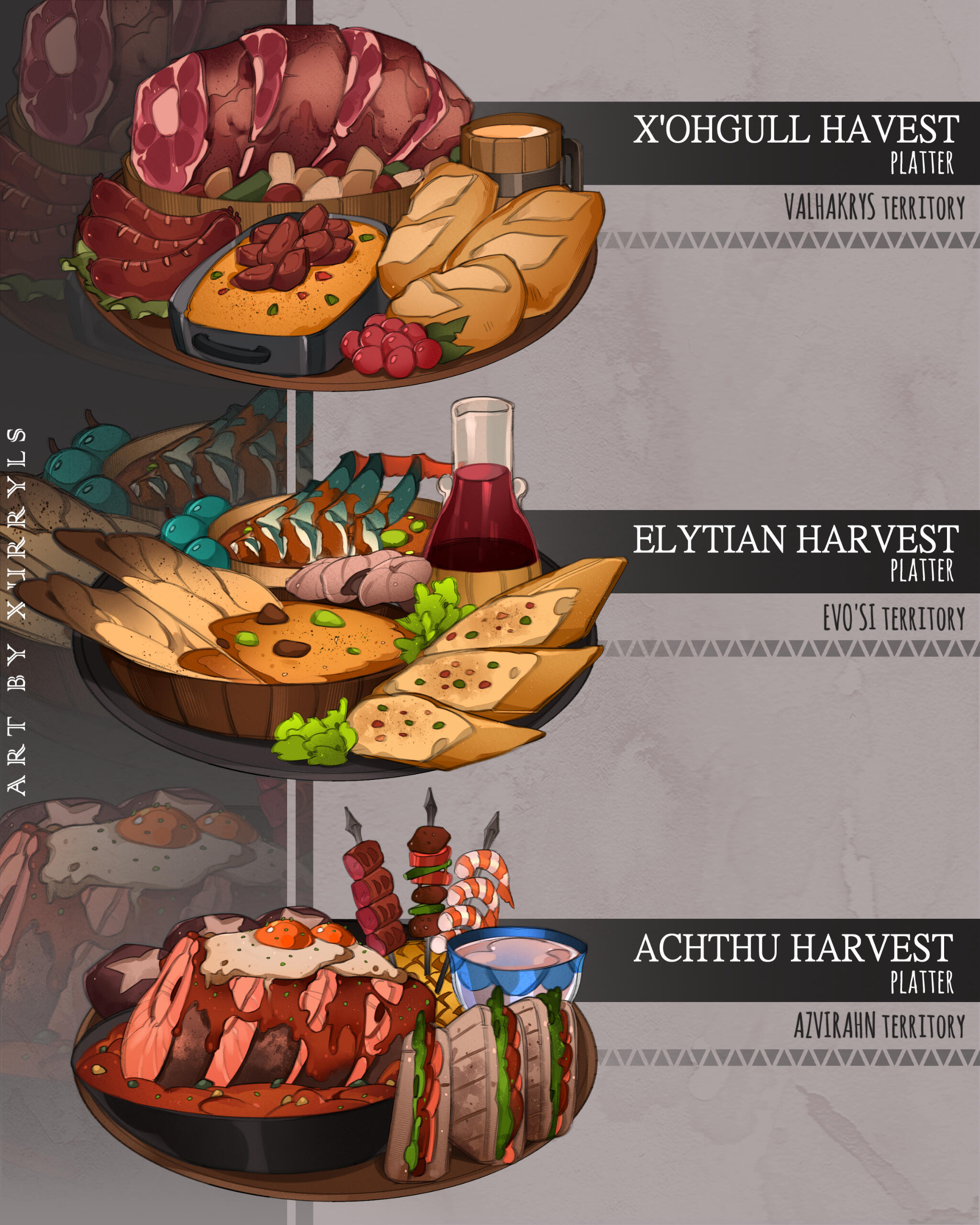
Food and Cuisine
⚠︎
THIS CONTENT IS CURRENTLY IN PROGRESS AND PRONE TO CHANGE
Clothing and Fashion
⚠︎
THIS CONTENT IS CURRENTLY IN PROGRESS AND PRONE TO CHANGE